Red Horse Chestnut's American Roots: The Pavie Hybrid Story
The majestic Red Horse Chestnut, with its striking conical clusters of deep pink to red flowers, is a beloved sight in parks and avenues across Europe and beyond. Its vibrant beauty is undeniable, but few realize that this iconic tree carries a fascinating transatlantic heritage. The story of the Red Horse Chestnut (
Aesculus x carnea) is a botanical tale of cross-continental romance, where the sturdy European Horse Chestnut met its American counterpart, the Red Buckeye, leading to the birth of a hybrid that would capture the hearts of gardeners and urban planners for centuries. This journey from the Old World to the New and back again firmly establishes the concept of a unique "Rosskastanie Aus Amerika" – a horse chestnut with deeply embedded American roots.
The Grand Debut: Europe's First Encounters with the Horse Chestnut
Before the hybrid emerged, the common Horse Chestnut (
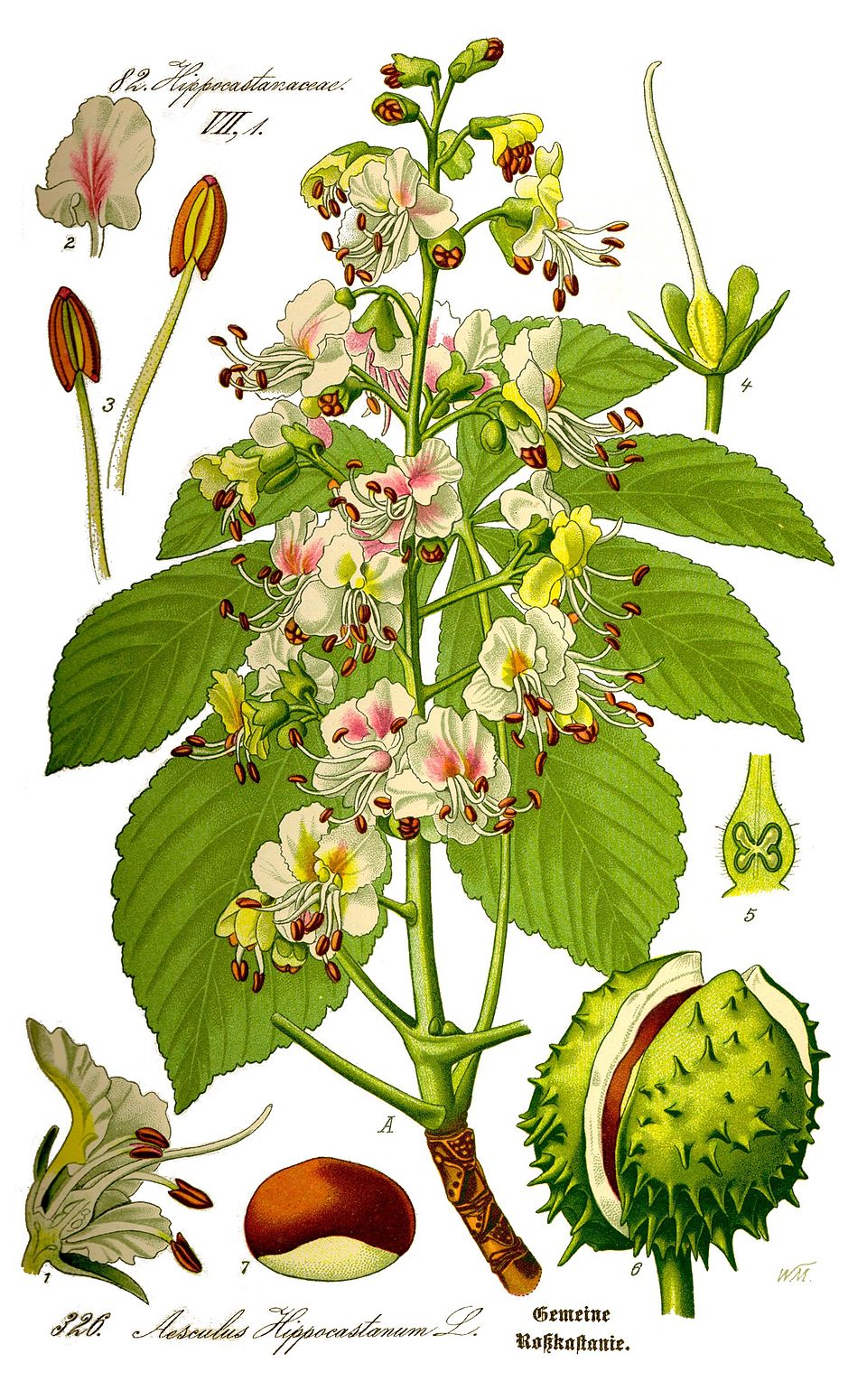
Aesculus hippocastanum) itself had a storied introduction to European landscapes. While native to the Balkans, its widespread cultivation across Western Europe didn't truly begin until the early 17th century. France, ever a hub of horticultural innovation and aesthetic appreciation, played a pivotal role in its popularization. It was around 1615 when the esteemed tree breeder Bachelier planted the first known Horse Chestnuts in the Jardin du Temple in Paris.
Just two decades later, another specimen rose to legendary status. In 1635, the powerful Cardinal Richelieu, a figure synonymous with French history, planted a magnificent Horse Chestnut in the gardens of the Palais Royal. This tree gained international renown, especially after the first partition of Poland in 1773, when it became affectionately known as the "Krakauer Baum" or Krakow Tree. It wasn't merely a botanical specimen; it evolved into a vibrant public forum. Daily, the politically astute citizens of the capital would gather beneath its sprawling canopy, animatedly discussing the latest news and political developments, turning the tree into a symbol of public discourse and urban life. This early fascination with the common Horse Chestnut laid the groundwork for future European efforts in tree breeding and hybridization, a drive that would eventually lead to the Red Horse Chestnut and its connection to the "Rosskastanie Aus Amerika."
From the New World to European Gardens: The American Contribution
While Europe was embracing its common Horse Chestnut, a new botanical frontier was opening across the Atlantic. The Americas harbored their own diverse species of buckeyes, distinct yet related to the European Horse Chestnut. It was the early 18th century when these North American "sisters" of the European chestnut began their journey eastward, enriching European botanical collections and, eventually, contributing to new hybrids.
The first of these American arrivals was the stunning Red Buckeye, botanically known as
Aesculus pavia L. Its introduction to Europe in 1711 marked a significant moment in horticultural history. The esteemed Dutch physician and botanist Hermann Boerhaave, known for his work at the University of Leiden, successfully cultivated this striking tree in the botanical gardens of Leiden. It was subsequently named after Peter Paaw, another prominent anatomist and botanist, in recognition of his contributions. The Red Buckeye captivated observers with its vibrant red flowers, a stark contrast to the white blooms of the common Horse Chestnut.
A few decades later, in 1764, another American species, the Yellow Buckeye (
Aesculus flava Ait), made its way to England through the efforts of garden inspector William Aiton. These introductions were not just curiosities; they represented a bridge between continents, bringing new genetic material and aesthetic possibilities to European horticulture. While these American buckeyes, attractive as they were, did not aim to supplant the established common Horse Chestnut, they undeniably enhanced the diversity and beauty of European gardens. They demonstrated that the concept of "Rosskastanie Aus Amerika" extended beyond just a singular species, encompassing a family of related trees. For a deeper dive into their transatlantic journey, consider reading
America's Rosskastanie Sisters: How Buckeyes Arrived in Europe.
The Birth of a Hybrid Star: Aesculus x carnea, The Red Horse Chestnut
The stage was now set for a botanical marvel. With the common European Horse Chestnut thriving in parks and the American Red Buckeye adding new colors to botanical collections, it was only a matter of time before horticulturists, driven by a quest for novelty and beauty, would attempt to combine their best traits. This horticultural innovation culminated around 1812 with the creation of the Red Horse Chestnut,
Aesculus x carnea. This tree is a natural hybrid, a "marriage" between the European
Aesculus hippocastanum and the American
Aesculus pavia.
The result was nothing short of spectacular. The Red Horse Chestnut inherited the robust form and stately presence of its European parent, combined with the dazzling, deep pink to crimson flowers of its American mother. This new hybrid struck a perfect balance, offering a unique blend of characteristics that quickly garnered immense admiration. Its popularity surged rapidly, and by 1820, it had found a rich and eager reception in German and English gardens, spreading soon after throughout Europe and eventually the world. This hybrid truly embodies the essence of "Rosskastanie Aus Amerika," showcasing how American genetics could transform a familiar European species into something new and breathtaking. The French, who had initially championed the common Horse Chestnut, were also instrumental in cultivating further varieties, including the striking double-flowered forms that added even more ornamental appeal.
Cultivating the Legacy: Why the Red Horse Chestnut Endures
Today, the Red Horse Chestnut remains a cherished landscape tree, a testament to its enduring beauty and resilience. Its enduring appeal lies in a combination of factors, many of which stem from its unique hybrid vigor. Compared to its European parent,
Aesculus hippocastanum,
Aesculus x carnea often exhibits a more compact growth habit, making it suitable for a wider range of urban and suburban settings. Its foliage is generally a darker green, providing a lush backdrop for the stunning floral displays.
Perhaps one of its most valuable traits is its increased resistance to certain pests and diseases that plague the common Horse Chestnut, such as the Horse Chestnut leaf miner (
Cameraria ohridella). This enhanced resilience makes it a more reliable and lower-maintenance choice for public parks and street plantings. The Red Horse Chestnut is a medium-sized deciduous tree, typically reaching heights of 30-50 feet with a similar spread. It thrives in full sun and well-drained soil, making it adaptable to various climates. Its deep roots make it relatively drought-tolerant once established.
For gardeners and city planners, the Red Horse Chestnut offers significant benefits:
- Spectacular Blooms: The vibrant pink to red flowers are unparalleled for visual impact in spring.
- Urban Resilience: Its tolerance to urban conditions and increased disease resistance make it a practical choice for street trees.
- Managed Size: Generally smaller than the common Horse Chestnut, it fits well into more confined spaces.
- Wildlife Value: The flowers provide nectar for pollinators, contributing to local biodiversity.
The Red Horse Chestnut, therefore, doesn't just add aesthetic value; it offers practical advantages that ensure its continued presence in our landscapes. It beautifully illustrates how the introduction of species like the American buckeyes didn't displace European trees but rather enhanced their family, creating new, stronger, and more beautiful varieties. For more on this symbiotic relationship, delve into
American Buckeyes: Enhancing, Not Replacing, Europe's Rosskastanie. The story of "Rosskastanie Aus Amerika" is a living example of how botanical collaboration across continents can enrich our natural world.
The journey of the Red Horse Chestnut is a compelling narrative of how botanical exploration and horticultural ingenuity converged to create a beloved tree. From the early European fascination with the common Horse Chestnut to the introduction of its American relatives,
Aesculus pavia and
Aesculus flava, each step contributed to a remarkable hybrid. The
Aesculus x carnea, born from this cross-pollination, stands as a vibrant testament to the enduring power of nature's diversity and human innovation. It is a true "Rosskastanie Aus Amerika," symbolizing a successful and beautiful blend of Old World majesty and New World vibrancy, gracing our landscapes with its unique and unforgettable charm for generations to come.