American Buckeyes: Enhancing, Not Replacing, Europe's Rosskastanie
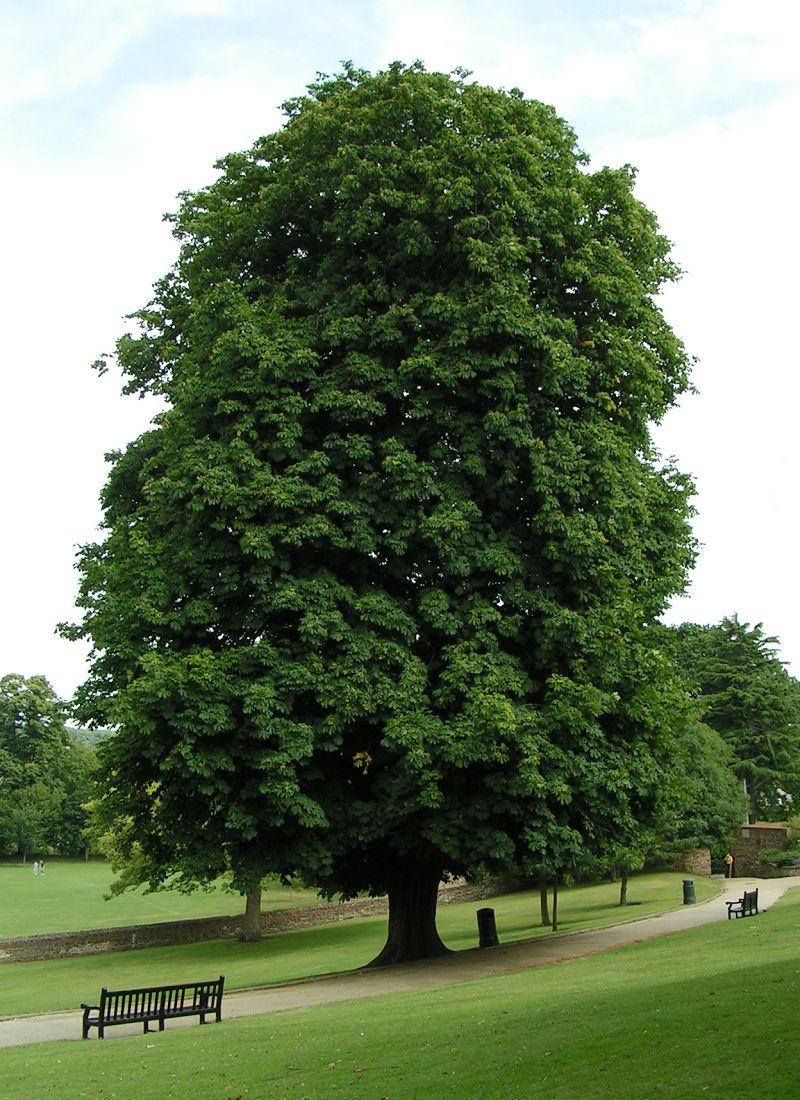
For centuries, the majestic Rosskastanie, or European Horse Chestnut (Aesculus hippocastanum), has stood as an iconic arboreal symbol across the European continent. Gracing avenues, parks, and village squares, its grand stature and magnificent candelabra of white flowers have deeply embedded it into the cultural and historical fabric. Yet, the world of horticulture is one of continuous evolution and discovery. The arrival of captivating cousins from the New World – what we affectionately call American Buckeyes – has introduced a new dimension to this cherished genus. These fascinating species and their hybrids, collectively representing the America's Rosskastanie Sisters: How Buckeyes Arrived in Europe, are not here to usurp the traditional European Horse Chestnut, but rather to enrich and diversify Europe's arboreal landscape, providing resilience and novel beauty where it's needed most.
The Enduring Legacy of Europe's Rosskastanie
The journey of the European Horse Chestnut into the heart of France, and subsequently across the continent, is a testament to its compelling allure. While seemingly ubiquitous today, its widespread adoption came relatively late. It was in 1615 that the pioneering arborist Bachelier reportedly planted the first seeds in the Temple gardens of Paris. A few decades later, the celebrated Cardinal Richelieu cemented its place in French history by planting a specimen in the Palais Royal gardens. This particular tree, affectionately known as the "Krakauer Baum" (Krakow Tree) after the first partition of Poland in 1773, gained significant fame. It became a daily gathering point for the capital's citizens, a living forum where news was dissected and political discourse thrived under its venerable canopy. This cultural prominence underscores the deep historical roots and sentimental value associated with the European Rosskastanie.
The French, always with an eye for horticultural excellence, were instrumental in the tree's popularization and refinement. Their efforts in "Veredlung" – a term encompassing breeding and grafting – led to numerous exquisite varieties. This dedication paved the way for the exploration of new possibilities, eventually welcoming the introduction of its American relatives, setting the stage for what would become a fascinating botanical collaboration.
A New World Arrives: Introducing Rosskastanie Aus Amerika
The botanical world of Europe was significantly broadened with the eventual introduction of two prominent American sisters to the common horse chestnut. The first of these, the Red Buckeye (Aesculus pavia L), made its European debut in 1711. It was the renowned Dutch physician and botanist Hermann Boerhaave who first cultivated this striking species in the Leyden botanical garden, where it was later named in honor of the anatomist and botanist Peter Paaw. This elegant tree is characterized by its vivid red flowers, a stark and beautiful contrast to the white blooms of its European cousin.
Following in its footsteps, the Yellow Buckeye (Aesculus flava Ait), also known as Sweet Buckeye, was introduced to England in 1764 by the esteemed garden inspector William Aiton. This species offers a different charm with its delicate yellow flowers, providing yet another hue to the palette of the Aesculus genus. Both Rosskastanie Aus Amerika varieties quickly garnered admiration for their distinctive aesthetics and inherent ornamental value. They offered European gardeners and landscapers exciting new options, proving that the genus had far more to offer than just the familiar white-flowered tree.
Despite their undeniable appeal and resemblance to the traditional horse chestnut, the crucial understanding, even then, was that these newcomers would not displace the existing species. Instead, they were viewed as complementary additions, enhancing the diversity and visual interest of gardens and parks across the continent. Their presence expanded the genetic pool and aesthetic possibilities available to tree enthusiasts and urban planners alike.
The Art of Hybridization: Red Horse Chestnuts and Beyond
The true genius of horticultural innovation shone through in the early 19th century with the creation of the Red Horse Chestnut (Aesculus x carnea). This magnificent hybrid emerged around 1812 from a felicitous "Vermählung" – or marriage – between the common European Horse Chestnut (Aesculus hippocastanum) and the American Red Buckeye (Aesculus pavia). The result was a tree that combined the stately vigor of the European species with the vibrant, eye-catching red and pink flowers of its American parent. This celebrated hybrid rapidly found widespread acclaim and by the 1820s, it had become a beloved feature in German and English gardens, later spreading across the globe. You can learn more about this specific lineage in Red Horse Chestnut's American Roots: The Pavie Hybrid Story.
The development of Aesculus x carnea perfectly exemplifies how Rosskastanie Aus Amerika species have enriched European horticulture. It wasn't about replacing the original, but about creating something new and equally spectacular. The French also pioneered other varieties, such as the so-called "gefüllte Kastanie" (double-flowered chestnut), further demonstrating the potential for diversification within the genus. These developments provided a wider array of choices for landscape designers, offering different flower colors, forms, and sometimes even improved resilience against environmental challenges.
Why American Buckeyes Complement, Not Compete
The statement that these attractive American Buckeyes "cannot displace the normal Rosskastanie" rings true, but it doesn't diminish their profound value. In fact, their introduction has proven to be a strategic enhancement, particularly in the face of modern arboreal challenges. While the European Horse Chestnut holds an unshakeable place in cultural memory, it has become increasingly vulnerable to pests and diseases, most notably the horse chestnut leaf miner (Cameraria ohridella) and bleeding canker (Pseudomonas syringae pv. aesculi).
This is where the Rosskastanie Aus Amerika species, such as Aesculus pavia and Aesculus flava, and especially the hybrid Aesculus x carnea, offer crucial advantages. Many American Buckeyes exhibit greater resistance or even immunity to some of these pervasive issues, making them invaluable alternatives for maintaining the distinctive "horse chestnut look" in landscapes where the traditional species struggles. Their varied flower colors (from vibrant reds and pinks to soft yellows) and sometimes more compact sizes also provide greater versatility in garden design, allowing for the creation of diverse visual palettes and for planting in spaces where a full-sized Aesculus hippocastanum might be too large.
Beyond disease resistance, these American species often boast a slightly higher drought tolerance once established, which is becoming an increasingly important factor in changing climates. They contribute to biodiversity, offering different flowering times and nectar sources for pollinators. Integrating these robust and visually striking trees into European landscapes ensures the continued presence of the beloved chestnut aesthetic while simultaneously promoting healthier, more resilient urban and natural environments. They are living examples of how global botanical exchange can lead to stronger, more vibrant ecosystems.
Conclusion
The journey of the American Buckeyes to Europe is a narrative of botanical enrichment rather than replacement. From the initial curiosity that brought Aesculus pavia and Aesculus flava across the Atlantic, to the masterful hybridization that birthed the spectacular Red Horse Chestnut, these "Rosskastanie Aus Amerika" varieties have undeniably enhanced Europe's horticultural legacy. They stand not as competitors to the majestic European Horse Chestnut, but as valuable partners, offering diversity in color, form, and crucially, resilience against environmental pressures. By embracing these New World additions, European gardens, parks, and avenues can continue to enjoy the iconic beauty of the Aesculus genus, ensuring its enduring presence for generations to come, stronger and more varied than ever before.